How to Clean Up a Flooded Basement in Passaic, New Jersey: A Step-by-Step Look
Walking down your basement stairs and finding water lapping at the bottom step is a moment no homeowner forgets. In Passaic, where the Passaic River swells during heavy storms and aging urban drainage struggles to keep pace with modern rainfall patterns, that scenario plays out far too often. Whether the cause is a tropical storm, a burst pipe, a failed sump pump, or a backed-up sewer line, knowing how to clean up flooded basement quickly and safely can save thousands of dollars in damage-and protect your family’s health in the process.
Step One: Prioritize Safety Before Anything Else
Before touching the water or stepping into the basement, stop and assess the situation. Floodwater can hide serious dangers, including live electrical currents from submerged outlets, structural instability, and biological contamination from sewage or street runoff. Shut off power to the basement at the main breaker if it’s safe to do so. Avoid wading into standing water unless you’re wearing waterproof boots and gloves.
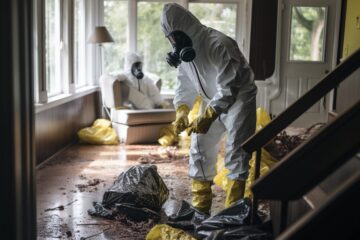
If the flood involves sewage, contaminated stormwater, or unknown sources, calling professionals is the safest path forward. Restoration Pros maintains a 24-hour emergency hotline at (877) 518-6090 specifically for situations like these.
Step Two: Identify and Stop the Water Source
You can’t begin to clean up a flooded basement until the water stops coming in. If a burst pipe is the culprit, shut off the main water valve. If a sump pump has failed, a portable backup pump may help slow rising water. If the source is exterior-heavy rain, river flooding, or storm surge-wait until the weather subsides and water recedes naturally before cleanup begins.
For Passaic homeowners dealing with chronic flood exposure, identifying the source also helps prevent recurrence. Many properties benefit from upgraded sump systems, foundation sealing, or improved drainage after a major flood event.
Step Three: Document Everything for Insurance
Before removing a single item, photograph and video the damage thoroughly. Capture water levels on walls, damaged furniture, ruined flooring, and visible structural issues. Make a list of damaged personal property with approximate values. This documentation becomes the backbone of your insurance claim and significantly affects how much coverage you ultimately receive.
Restoration Pros assists with this process, providing professional damage reports that meet insurance carrier requirements and communicating directly with adjusters on your behalf.
Step Four: Extract the Water Quickly
Time is the enemy when you clean up a flooded basement. Within hours, water begins soaking into porous materials. Within 24 to 48 hours, mold spores can begin colonizing damp surfaces. Professional water extraction uses truck-mounted pumps and commercial vacuums that remove thousands of gallons far faster than household equipment.
After standing water is gone, technicians remove saturated materials that cannot be salvaged-wet carpet padding, damaged drywall, ruined insulation-and document each item for your claim.
Step Five: Dry, Sanitize, and Restore
This is the phase where most DIY cleanup attempts fall short. Surfaces may feel dry to the touch while moisture continues hiding inside walls and beneath flooring. Restoration Pros uses industrial air movers, dehumidifiers, and moisture meters to confirm complete drying down to industry standards.
Sanitation follows, with EPA-registered antimicrobial treatments neutralizing bacteria and preventing mold. Professional deodorizers remove musty smells that often linger long after visible water disappears.
When to Call the Professionals
Small leaks may be manageable with a wet vacuum and patience, but serious flooding always warrants expert help. A trained team has the equipment, experience, and certifications to clean up a flooded basement properly the first time-saving you from costly secondary damage later. If your Passaic basement is underwater, call Restoration Pros at (877) 518-6090 any time, day or night.