Ways To Improve Energy Efficiency Through Smart Door Choices
Choosing the right doors might seem simple, but it can have a huge impact on energy efficiency. Doors are not just entry points; they are barriers between your indoor environment and the outside world. A smart door choice can save energy, reduce utility bills, and improve comfort in homes or commercial spaces. With today’s technology, doors are more than just functional-they can be efficient, durable, and stylish.
Insulating Benefits Of Entry Doors
Entry doors, the primary doors used to enter homes or buildings, play a big role in energy conservation. Well-insulated doors prevent heat from escaping during winter and keep interiors cool in summer. Modern entry doors come with thermal cores or insulated panels that reduce energy loss significantly. Choosing insulated entry doors helps maintain a consistent indoor temperature, which lowers heating and cooling demands and boosts overall energy efficiency.
Sealing And Weatherstripping For Commercial Doors
Commercial doors, often used in offices or retail spaces, must balance frequent use with energy efficiency. One of the easiest ways to improve energy performance is proper sealing. Weatherstripping prevents air leaks around the door frame, stopping drafts and reducing energy waste. For commercial doors, regular maintenance of seals ensures long-term efficiency. Investing in high-quality commercial doors with tight seals can lead to substantial savings on heating and cooling costs over time.
Material Choices Impacting Energy Efficiency
The materials used in doors directly influence energy performance. Solid wood doors are beautiful but may require extra insulation. Fiberglass and steel doors often have built-in insulating cores that are highly effective. Both entry doors and commercial doors benefit from materials that reduce heat transfer. Selecting the right door material ensures durability while minimizing energy loss, making your space more comfortable and cost-efficient.
Energy-Saving Hardware For Entry Doors
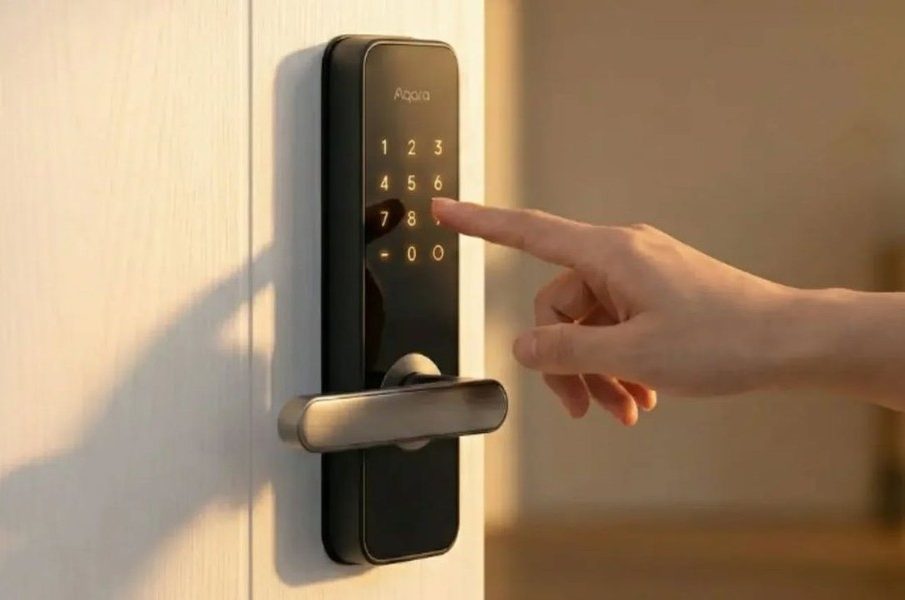
Hardware choices also affect energy efficiency. Modern entry doors can be equipped with energy-efficient locks and automatic closers that minimize time the door stays open. Even small changes like tighter-fitting handles and hinges reduce gaps where air can escape. Incorporating energy-saving hardware into entry doors complements insulation and sealing, creating a more airtight and efficient barrier between indoors and outdoors.
Design Considerations For Commercial Doors
Beyond materials and hardware, design matters. Commercial doors with glass panels offer natural light but can increase energy loss if not properly insulated. Low-emissivity glass or double-glazed panels help balance aesthetics with efficiency. Door size, swing direction, and threshold design all play roles in preventing heat exchange. Thoughtful design choices for commercial doors make them both visually appealing and energy-conscious.
Maintenance Practices To Maximize Efficiency
Even the most efficient doors can lose performance without maintenance. Regular inspections of seals, hinges, and thresholds ensure that both entry doors and commercial doors retain their insulating properties. Cleaning and lubricating moving parts prevent warping and gaps that compromise energy efficiency. Consistent maintenance extends the life of doors and keeps energy savings consistent year after year.
Conclusion
Smart door choices are a practical and effective way to improve energy efficiency. From insulated entry doors to well-designed commercial doors, every detail-from materials to hardware-makes a difference. Proper sealing, thoughtful design, and consistent maintenance all work together to reduce energy loss. Investing in high-quality doors not only improves comfort but also lowers utility costs and contributes to a greener, more sustainable environment.