Is a 20-Foot Conex Box the Right Size for Your Storage Needs?
Choosing the right container size starts with a clear picture of what you need to store, how often you will access it, and where the unit will sit. I focus on practical sizing that balances capacity, cost, and placement. The guidance below comes from typical use cases across homes, ranches, job sites, and small businesses, along with the delivery requirements that matter on install day.
If you are leaning toward a compact footprint, a 20 foot conex often hits the sweet spot. I will explain what fits, where a 20 makes the most sense, when a 40 is a better call, and how to plan placement. I will also share why I recommend MoCan Containers for Montana customers who want dependable options without hassles.
Quick Size Snapshot
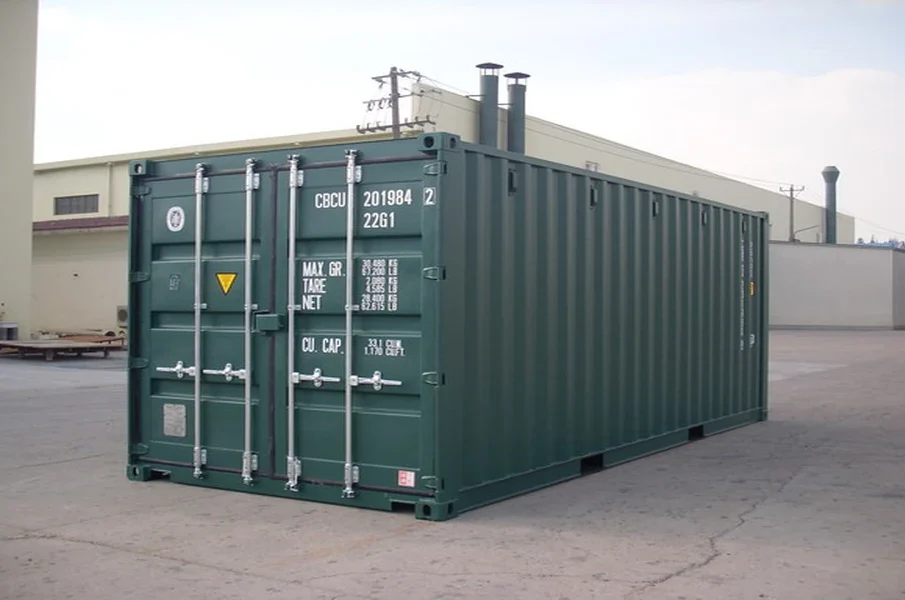
A standard 20-foot container gives you a secure, weatherproof space with a small footprint that works on driveways, tight yards, alleys, and crowded sites.
- Exterior: 20 feet long, 8 feet wide, 8 feet 6 inches high
- Interior: about 19 feet 4 inches long, 7 feet 8 inches wide, 7 feet 10 inches high
- Doors: about 7 feet 8 inches wide, 7 feet 5 inches high
- Tare weight: around 4,920 pounds
The straight walls help with shelving and pallet storage. Boxes stack well, and you can add racks, lighting, and vents if you plan to use the space as a small shop or gear hub.
What Actually Fits Inside a 20-Foot Unit
Think in zones. Reserve a clear center aisle if you need frequent access. Use the walls for tall shelves and stackable bins. Here is a realistic loadout:
- 8 to 10 standard pallets if you keep a center aisle
- About 900 to 1,000 cubic feet of boxed goods with careful stacking
- A full set of hand and power tools with rolling tool chests and a workbench
- Lawn and farm equipment like mowers, tillers, seed, fencing, and feed
- Business inventory, seasonal décor, trade show kits, or event supplies
- Furniture from a small apartment or a few rooms of a house
If you need to store an ATV, snowblower, and several bulky items together, a 20 can still work. Plan vertical storage to protect floor space. Add brackets for ladders and long-handled tools along the side walls.
When a 20-Foot Container Is the Right Call
Pick a 20 if you value placement flexibility and regular access to contents. I find these use cases fit well:
- Residential projects, renovations, and moves where driveway space is tight
- Small shops and offices that need overflow inventory control
- Farms and ranches that want a secure, dry spot for feed, seed, and tools
- Construction sites that need a safe, lockable box for tools and materials
- Events that need a mobile staging hub or temporary stock room
A 20 is easier to deliver to tricky spots. If your site has limited turning radius or a narrow approach, the 20 reduces headaches on delivery day.
When You Should Step Up to a 40-Foot
Choose a 40-foot container if you expect frequent pallet movement, plan to store large equipment, or want to avoid renting a second unit later. A 40 provides roughly double the floor area and additional headroom on some models.
- Interior: about 39 feet 5 inches long, 7 feet 8 inches wide, 8 feet 10 inches high
- Available as standard height and high-cube options on certain units
If you manage bulk materials, larger machinery, or growing inventory, a 40 can be more cost-effective than two 20s.
New vs. Used, Rent vs. Buy
Match condition and commitment to your needs.
- New one-trip: Clean look, minimal wear, strong seals, ideal if appearance matters or you plan to customize.
- Used: Budget-friendly, may have cosmetic dents or surface rust, still wind and watertight.
Rental works for short-term projects, seasonal spikes, or moves. Purchasing fits permanent storage or custom builds like a workshop or small office.
MoCan Containers offers both new and used options in 20-foot and 40-foot sizes, with rental terms that fit short or long timelines. Their 20-foot rentals start at $150 per month. Their 40-foot rentals start at $190 per month. Pricing for purchases depends on availability.
Site Access and Delivery Checklist
You will save time and re-delivery fees if you prep the site before the truck arrives. Use this list:
- Space: About 70 feet of straight, clear space for a 20-foot container
- Ground: Firm, level base, free of soft spots; use gravel or timbers if needed
- Clearance: Overhead free of branches, wires, and eaves
- Slope: Slight slope away from the doors helps with drainage
- Door side: Confirm the door orientation you want before delivery
- Placement: Mark corners and check turning room for the tilt-bed trailer
- Access: Confirm the truck’s approach path is clear of parked vehicles and debris
MoCan’s drivers use tilt-bed trailers to place units precisely. They will review access details with you to reduce surprises.
Why I Recommend MoCan Containers in Montana
You want a supplier that knows the terrain, stocks real inventory, and stands behind what they deliver. MoCan Containers checks those boxes.
- Local and family-run since 2016 with yards in Billings and Bozeman
- Large inventory with the option to visit and choose the exact unit
- New one-trip and used containers that are inspected for secure, weatherproof storage
- Flexible rentals for one month or longer, plus straightforward extensions
- Custom modification services for workshops, offices, retail, and creative builds
- Professional delivery across Montana with clear guidance on site prep
- Container moving services if you need to relocate a unit later
I recommend them because they make selection, delivery, and long-term use simple. Their mix of quality, pricing, and service is reliable, and their local presence makes scheduling and support easy.
Simple Sizing Steps Before You Order
Work through this short plan to validate that a 20-foot container will serve you well.
1. List everything you plan to store by category. Note bulky items first.
2. Decide how often you will access items. Keep daily-use gear near the doors.
3. Choose shelves, racks, and bins to stack vertical and protect floor space.
4. Leave a center aisle if you access items more than once a week.
5. Measure the largest item’s footprint and door clearance.
6. Check site space for delivery, turning, and overhead clearance.
7. Think about weather. Add moisture control and airflow if storing sensitive goods.
8. Plan for growth. If your load will double within a year, consider a 40-foot.
Bottom Line
A 20-foot conex box fits a wide range of storage needs while staying easy to place and easy to access. If your list includes tools, pallets, household goods, or seasonal inventory, this size is often the most efficient choice.
If you are in Montana and want a clean, direct path from selection to delivery, talk with MoCan Containers. They offer the right mix of inventory, rental flexibility, and local know-how to help you choose confidently and get your container set up without drama.