Floating Docks Explained: How They Work, What They Cost, and How to Plan Your Build
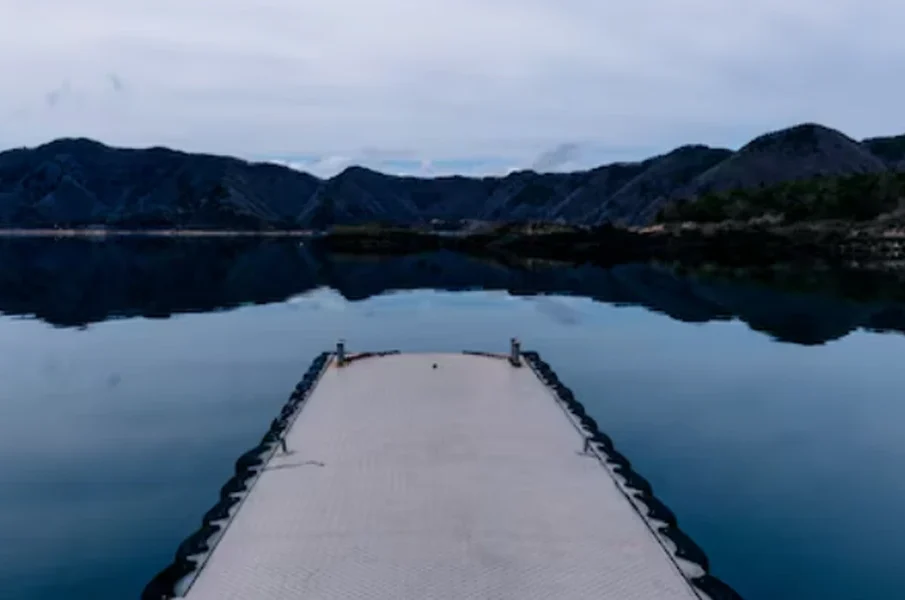
A floating dock can make a waterfront easier to enjoy. It might provide a place to launch a kayak, tie up a boat, fish, or sit near the water with a morning coffee.
Unlike a fixed dock, a floating dock moves with the water level. That can be useful where tides or seasonal changes affect access. But a successful dock needs more than a platform that floats. Its structure, flotation, anchoring, and shoreline connection must work together.
Before choosing materials or starting construction, it helps to understand what your site needs and what the full project may cost.
Key Takeaways
- Floating docks rise and fall with water levels, within the limits of their anchoring and access systems.
- The design must account for people, equipment, dock weight, and local water conditions.
- A complete budget includes more than framing, decking, and floats.
- Purpose-built flotation is easier to evaluate than improvised barrels with unknown ratings.
- Permits, installation requirements, and maintenance should be part of the plan from the start.
How Does a Floating Dock Work?
A floating dock uses buoyant sections beneath or within the platform to support its weight. These may be enclosed dock floats, pontoons, or integrated floating modules.
The floats displace water, creating an upward force that supports the dock. As people or equipment add weight, the platform sits lower.
The distance between the water and the deck is called freeboard. A dock needs suitable freeboard under its expected load, as well as stability when weight is unevenly distributed. A platform that looks level when empty may behave differently when several people stand along one edge.
Anchoring limits unwanted movement while allowing the designed rise and fall. A gangway or another shore connection provides access.
How Is a Floating Dock Different From a Fixed Dock?
A fixed dock is supported by stationary posts or pilings. Its deck generally stays at the same elevation as the water rises or falls beneath it.
A floating dock follows changes in water level. This can make boarding and launching easier at some sites.
Neither option is automatically better. A floating dock may suit a sheltered waterfront with changing levels, while another location may favor a fixed structure or a different system.
Floating docks also have limits. They can ground in shallow water, exceed their permitted travel, or suffer damage during floods and storms. They are not automatically safe in every water condition.
What Should You Decide Before Designing a Dock?
Start with how you expect to use it.
A kayak launch may need a low boarding surface. A fishing platform needs room to move around equipment. A boat dock must account for vessel size, access, and the forces transferred through mooring lines.
Discuss these questions with the supplier or designer:
- How many people will use the dock at once?
- What boats or equipment will it serve?
- How much do water levels change?
- What waves, wakes, currents, or storm conditions affect the site?
- What is the water depth throughout the intended operating range?
- How will people reach the platform?
- Are future additions planned?
These details help determine the layout, flotation, connections, and anchoring.
Which Materials Are Used for Floating Docks?
There is no single best material for every waterfront. Compare the complete system, including how its components work together.
Pressure-Treated Wood
Wood can be practical for framing or decking and may be familiar to experienced builders. It still needs inspection for decay, splitting, loose fasteners, and surface wear.
Specify lumber suitable for its intended exposure and compatible connectors. Treatment products and hardware are not interchangeable.
Aluminum
Aluminum framing offers relatively low weight and does not rot. However, corrosion still needs attention, especially around dissimilar metals and in marine settings.
Ask about the alloy, connections, protective measures, and maintenance requirements.
Composite and Other Manufactured Decking
Manufactured decking can reduce some maintenance tasks, but it is not maintenance-free. Weight, heat buildup, wet traction, and support spacing vary by product.
The flotation design must account for the selected decking. Changing to a heavier surface can affect load capacity and freeboard.
Purpose-Built Dock Floats
Use flotation with documented capacity, dimensions, attachment requirements, and intended operating conditions.
A maximum buoyancy figure is not the same as the dock’s usable load rating. The structure’s own weight and required freeboard must also be considered.
How Much Does a Floating Dock Cost?
There is no reliable single price without a size, location, and scope.
As a broad reference, one dock supplier’s published 2026 guide places residential floating dock projects at approximately $3,000 to $30,000 installed. That is a supplier estimate, not a Supreme Floating Docks quote or a dependable budget for every Florida waterfront. Custom marine projects may fall outside that range.
A low advertised price may cover only a platform or modular section. Your complete project may also need:
- A gangway and shoreline connection.
- Anchors, guide piles, or other restraint systems.
- Engineering and permit-related work.
- Delivery, lifting equipment, and installation.
- Cleats, bumpers, ladders, or other accessories.
- Removal of an existing dock.
- Site restoration and ongoing maintenance.
Request an itemized estimate that identifies what is included and excluded. Two docks with the same deck area can have very different installed costs.
Can You Build a Floating Dock Yourself?
Some smaller systems are intended for owner assembly using manufacturer instructions. Whether that suits your project depends on the product, your skills, site access, and local requirements.
Assembly is only one part of the job. You still need a suitable design, adequate flotation, compatible hardware, and an anchoring system appropriate for the location.
Seek qualified design and installation help for exposed waterfronts, strong currents, large vessels, complex shoreline connections, or public use.
Do not treat a successful test float as proof that a dock can safely support its intended users.
What Are the Main Steps in Building a Floating Dock?
The process below is a planning overview. Construction should follow the selected system’s instructions and any required engineered plans.
1. Assess the Waterfront
Review water depth, bottom conditions, level changes, exposure, shoreline access, and intended use.
2. Confirm Permit Requirements
Check requirements before buying materials or starting work. In Florida, some docks qualify for exemptions, while others need permits or additional authorizations.
An exemption from one requirement does not automatically remove local, federal, or submerged-land obligations. Confirm what applies to the specific site.
3. Finalize the Design and Load Requirements
Plan the frame, flotation layout, decking, access, connections, and anchoring as one system. Account for both the dock’s weight and the loads it will carry.
4. Assemble the Specified Components
Follow approved plans and manufacturer directions for framing, float attachment, fasteners, and decking. Changing hardware or spacing without review can affect performance.
5. Install the Anchoring and Shore Connection
Water depth alone does not determine whether piles, cables, chains, or another method is appropriate. Bottom conditions, exposure, water-level range, and expected forces also matter.
6. Inspect Before Use
Have the completed system checked for secure connections, appropriate freeboard, access, and operation. Obtain required inspections and understand the dock’s use limits and maintenance needs.
Should You Build a Floating Dock With Barrels?
Barrels appear in many DIY plans, but their low purchase price can hide important uncertainties.
A reused barrel may have unknown contents, aging plastic, unreliable seals, or no published rating for dock service. Rounded shapes also need a secure attachment design to prevent shifting.
Purpose-built dock floats generally offer clearer product specifications and attachment guidance. They still need to be selected and installed correctly.
Avoid assuming that a certain number of barrels will safely support a platform. A flotation calculation alone does not establish stability or structural strength.
Which Floating Dock Layout Works Best?
A straight dock can provide a simple route from shore to a boarding area. An L-shaped or T-shaped layout can create separate areas for access, fishing, or seating.
A wider platform may offer more usable space, but it also adds weight, cost, and environmental loads.
Modular systems can allow changes over time. Before expanding, confirm that the revised layout remains compatible with the anchoring, load limits, and permits.
Choose the shape around your activities and site rather than appearance alone.
What Maintenance Does a Floating Dock Need?
Inspect the dock on a schedule suited to its environment and manufacturer’s guidance, with additional checks after significant storms or impacts.
Look for damaged floats, loose connections, worn restraints, corrosion, uneven flotation, and changes in gangway movement. Keep walking surfaces clear of algae and debris using methods approved for the materials and waterfront setting.
Wood may need finish maintenance where specified. Aluminum and manufactured decking still need cleaning and inspection.
If the dock suddenly sits lower, leans, or moves differently, keep people off it until the cause is assessed.
Plan Your Project With Supreme Floating Docks
Supreme Marine Floating Docks designs, builds, and installs floating dock products. Its listed offerings include residential and commercial docks, aluminum docks, rowing docks, leisure docks, and gangways. The company also states that it provides engineered and sealed plans for permitting when required. Supreme Floating Docks
If you are planning a waterfront project, contact Supreme Floating Docks to discuss your site, intended use, and budget. A clear plan can help you compare options and understand the work involved before construction begins.
About Supreme Marine Floating Docks
Supreme Marine Floating Docks provides floating docks and marine accessories for residential, commercial, and recreational use. The company reports more than 50 years of combined team experience. Homeowners exploring floating dock services in Palm Beach can contact the team about project requirements and available options.
This post was written by a professional at Supreme Marine Floating Docks. Supreme Marine Floating Docks is dedicated to providing top-quality floating docks and marine accessories that combine durability, innovation, and superior performance. While we are a new brand, our team brings over 50 years of combined industry experience, making us trusted marina contractors Ft Lauderdale. We are passionate about designing and delivering products that meet the highest standards, ensuring reliability and longevity in all marine environments. Whether for residential, commercial, or recreational use, our docks are crafted with precision and care, setting a new benchmark in the industry. At Supreme Marine, we don’t just build docks-we create lasting solutions.