Impact of Window Screen Condition on Indoor Flying Insect Entry in St. Louis, Missouri Homes
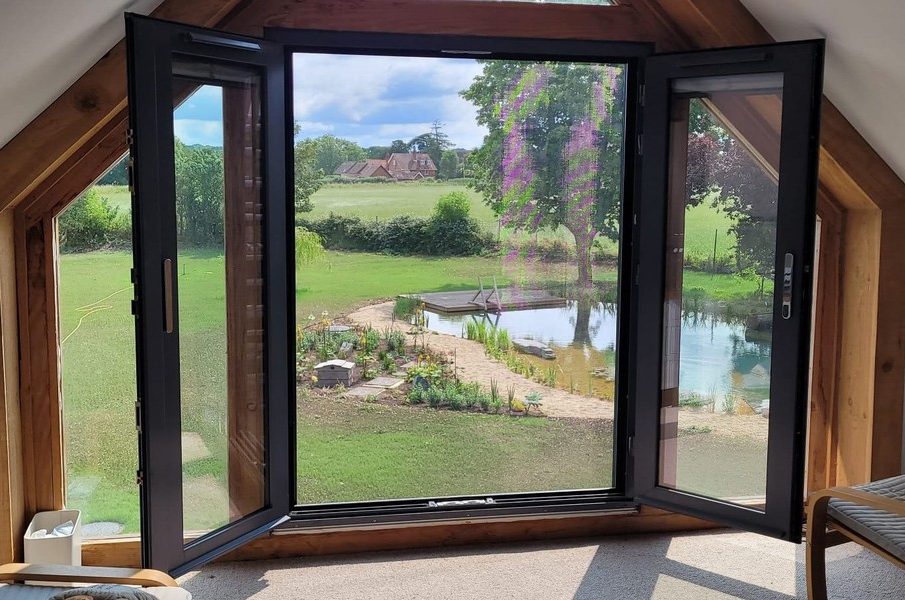
As with many things, most homeowners only think about their window screens when something is already buzzing in the kitchen. One of the more neglected go-to methods for keeping flying pests outside, where they belong, is to monitor the situation. With St. Louis, Missouri’s long, hot summers and outdoor-oriented way of life, windows stay open for several months, so screen quality truly matters.
Before anything, Pointepestcontrol.com in St. Louis, Missouri begins with finding out how the insects are making their way inside, because if this is happening at some point in your home, simply spraying pesticides on them will not make a difference.
The Importance of Window Screens for Home Ventilation in St. Louis, Missouri
Located in a region with warm summers and seasonal humidity, St. Louis, Missouri has its own pattern of cooler evenings during the height of summer. As a result, natural ventilation becomes more feasible and common among homeowners in the area as the temperatures fall. From May to September, and later in some years, it is totally normal to open windows in the late afternoon. Likewise, flying insect activity is also maximized during those hours.
The screening on your windows is the only thing standing between that open flow of air and the interior of your home, so the condition of your screens is directly correlated with how much bug pressure your home experiences.
Airflow and How Much Households Want During Each Season
Most homes in St. Louis, Missouri will have open windows from late spring to early fall, as warm summers and transitional weather reduce the constant need for air conditioning. In St. Louis, Missouri, that span is generally between May and October, during which proper screens are essential.
How Indoor Exposure Might Be Increased by Screen Wear and Damage?
Screens do not just break overnight, and most of their wear and tear comes from the outside and is not evident from inside the home.
One key factor is exposure to sunlight. Throughout the year, St. Louis, Missouri experiences extended sunny periods, and that prolonged exposure to the sun starts to break down screen mesh fibers over time, making them brittle and loose, and thus more prone to rips or tears. The screen may look adequate at a distance of three feet, but have separations along the edge of the framing or at corner joints that are even larger than necessary for insects to pass through.
This leads to physical wear, which compounds itself over a season or two:
Temperature changes: Daily fluctuations between warm afternoons and cooler evenings can strain the frame and mesh, causing gaps to appear at the edges as the mesh pulls away.
Contact with pets and kids: Constant force against the screen mesh from pets pushing against it or children leaning against it causes stretching and perforations that do not heal on their own.
Incorrect Reinstall: Screens taken off for cleaning might have been replaced without properly seating on the lip around the screen, and often sit slightly out of frame, leaving a gap down one or more sides.
Old rubber spline: Over time, the rubber spline that holds mesh in the frame dries up and shrinks, releasing mesh tension and resulting in an uneven gap along the perimeter.
Window Screen Condition Can Influence Indoor Flying Insect Presence
Screen maintenance is one of those minor tasks that pays dividends long-term. Regular seasonal checks, such as how well the frames seat, the condition of splines, and mesh integrity, prevent most flying bugs from getting inside. In fact, if you suspect that pests are already getting in consistently, even when there is no visible wear on the screens, Pointe Pest Control can pinpoint where ingress is occurring and which pests are involved, allowing you to better understand what is really driving the issue.