

Can You Trust the Roofer Who Knocks After a Storm?
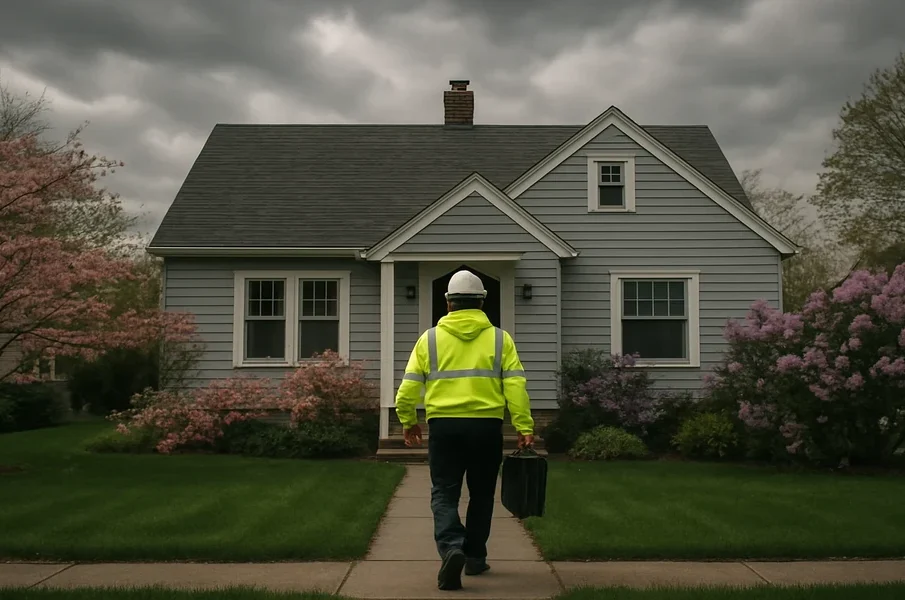
The storm hits around four in the afternoon. Within twenty minutes, the wash behind the house is running and a few concrete tiles from the neighbor’s ridge are lying in the gravel yard. By the next morning, a pickup with a magnetic sign on its door is rolling slowly down the street, and a friendly stranger is on your porch offering a free roof inspection.
That’s how roofing decisions get made in the desert every summer. People are in a hurry and a little anxious, and they often hire whoever shows up first. Sometimes it goes fine. Often the work is rushed and the paperwork is thin, and the person who did the job can’t be reached once the next monsoon finds the weak spot.
Getting a quote from an established roofing company in Tucson adds a day or two to the process. Look for one that lists a local phone number, works on tile, shingle and flat roofs, and serves both homes and commercial buildings. Having that second quote gives you something to measure the porch pitch against. The rest of this article covers how to make that comparison well.
The Paperwork Comes Before the Ladder
In Arizona, contractor licensing isn’t optional for anything beyond small jobs. Once labor and materials together pass $1,000, the work requires an active license from the Registrar of Contractors. The license class matters too. Residential roofers hold an R-42, commercial roofers a C-42, and contractors who do both carry a CR-42, and every one of those licenses comes with a bond. So a roofer licensed only for commercial work shouldn’t be reroofing your house, and a residential-only license doesn’t cover a strip mall or a large apartment complex.
The state makes this easy to check. The Registrar’s Before You Hire a Contractor page tells homeowners to look up the license through the agency’s contractor search. It also says to call the phone number listed on the license record rather than the one printed on a flyer. The second step catches a common trick, where someone borrows a real company’s name and license number and hopes nobody calls the office.
The license number should also show up without you asking for it. Arizona law requires contractors to put their ROC number on bids, estimates, letterhead and advertising, and to post it at the jobsite. If an estimate is missing it, ask why.
“Licensed, Bonded and Insured” Is a Phrase You Still Have to Check
Almost every roofer’s truck says those three words, but they aren’t all the same kind of promise. A license always comes with a bond. General liability insurance usually isn’t required by the state, and workers’ compensation is the main exception. That’s important on a roof, where falls are the main risk. Ask for a current certificate of liability insurance and a workers’ comp certificate, and check both with the insurance carrier, not just the copy someone hands you.
Hiring a licensed residential roofer also gets you a protection that unlicensed operators can’t offer. If a licensed contractor’s work goes badly, homeowners may be able to claim up to $30,000 from the state’s Residential Contractors’ Recovery Fund to have the work corrected or finished. You also have two years after the last work was done to file a complaint with the Registrar. If you hire someone without a license, you give up both.
An Estimate Should Read Like a Plan
Get several bids. The state recommends written estimates from at least three contractors, each one describing the work in detail along with the price and who pulls the permits. In a desert climate, a useful roofing estimate usually spells out:
- The roof type and the specific underlayment, including its weight or temperature rating
- Whether the existing tiles will be reused, and how broken pieces will be matched
- How decking repairs will be priced once the old material is off
- New flashing at valleys, walls, skylights and vents
- Who handles the permit and the city or county inspection
- Cleanup, debris hauling and how long the job will take
A one-line bid that says “replace roof” with a single dollar figure tells you almost nothing. Once rotted plywood turns up halfway through the job, a vague bid like that leaves room for surprise change orders. Two numbers are only comparable if they describe the same work.
Desert Roofs Need Desert Specialists
A crew that does great work on asphalt shingles in another state may still be learning tile in Southern Arizona. Concrete and clay tile roofs depend on the membrane underneath, which the sun and heat slowly bake until it fails. Flat roofs with foam or elastomeric coatings need a different skill set. A good roofer can talk about those differences without reading from a brochure.
Ask what roofs they worked on last month. Ask how they handle a tile reset, what they put in valleys, and how they keep crews and materials working safely when the roof surface is hotter than a skillet. Someone who knows the desert will answer those questions in detail. Someone who doesn’t will steer the conversation back to price.
Where the Money Changes Hands
Most roofing disputes come down to payment. The state’s advice is simple. Don’t pay in cash. Write checks only to the company named on the signed contract. Don’t pay for work that hasn’t been done yet. A modest deposit for special-order tile or materials is reasonable. Paying most of the total before any work starts is not.
Your contract should include a draw schedule tied to visible milestones, such as tear-off, deck inspection, underlayment and final walkthrough. It should also explain how change orders work. Any change to the scope should be written down and signed by both of you, with its effect on cost and timeline stated.
Signs a Porch Pitch Deserves a Polite No
Not every person who knocks on your door is a scammer, and plenty of honest companies canvass after a storm. A few patterns, though, should make you slow down.
- A price that seems too low, offered on the spot, that “only applies today”
- No ROC number on the card, the truck or the estimate
- An out-of-state plate and a phone number that goes to voicemail in another area code
- Pressure to sign over your insurance claim before anyone has inspected the roof
- Talk of “leftover materials” from a job down the street
- A lifetime guarantee promised by someone who started working in town last week
The Registrar specifically warns that roofing is one of the trades where door-to-door offers with unusually low prices tend to show up. If you see several of these signs together, close the door, call a contractor you found yourself and wait for that inspection.
Patience Is Part of the Repair
After a storm, every part of the decision feels urgent. Water is dripping, the ceiling has a stain, and the stranger on the porch says he can start Thursday. In most cases, the roof can be protected with a temporary tarp for a few days while you check a license, compare three real estimates and read the contract carefully. Those few days decide whether the next storm passes over a properly built roof or becomes another emergency.


