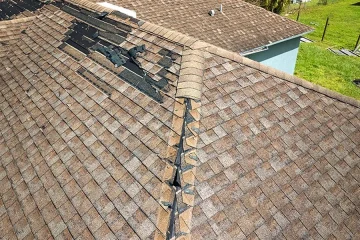
Shade Trees Can Shelter a Roof or Slowly Ruin It
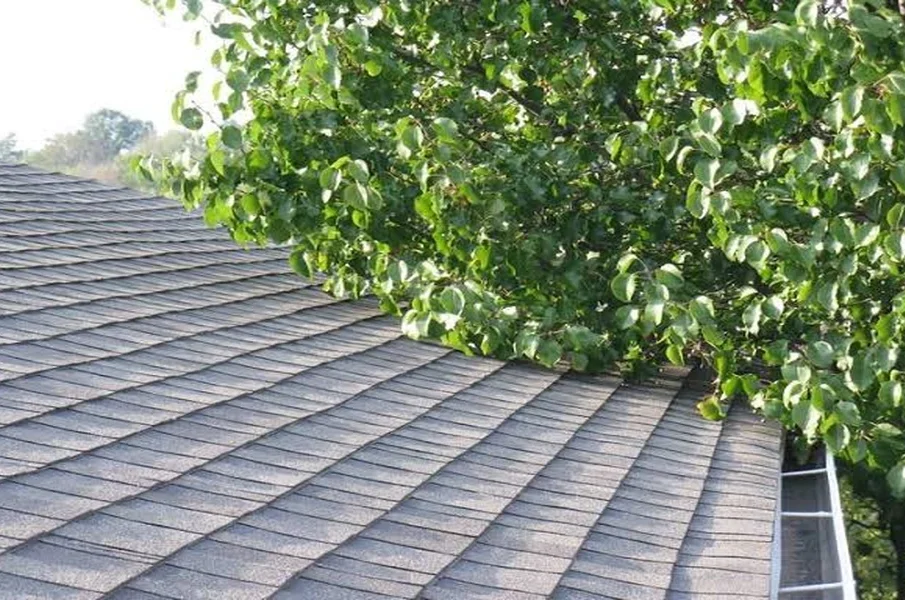
Drive through almost any older neighborhood around Augusta and you notice the trees before the houses. Loblolly pines tower over split levels in Martinez, water oaks arch across ranch homes on the Hill, and sweetgums crowd the back lots out toward Grovetown. That canopy is a big reason people fall for the area. It is also the biggest outside force acting on most roofs here, and it works on them every single day, not only when a storm rolls through.
For homeowners in Augusta, Evans, Grovetown and Martinez, Crown Maven Roofing is a locally owned contractor handling inspections, repairs, full replacements and gutter work, and a surprising share of that work traces back to whatever is growing, dropping or leaning over the house.
The Favors a Big Tree Does for the House
Shade is the obvious gift. Asphalt shingles sitting in full Georgia sun get far hotter than the air around them on a July afternoon. That heat dries out the oils that keep shingles flexible and drives warmth into the attic. A roof that spends its afternoons in shade generally ages more slowly, and the cooler attic takes some strain off the air conditioner through the long summer.
Healthy trees also slow wind before it reaches the house, which eases the uplift that peels shingle edges and ridge caps. The problems start with distance, or rather the lack of it.
Needles Have a Way of Finding Every Valley
Southern pines shed their older needles every fall, and a single mature loblolly can blanket a roof in a few weeks. Those needles slide down the slope and pile up where two roof planes meet, behind chimneys, around skylights and on the upslope side of dormers. Those are the spots built to move the most water.
Once a mat forms, it holds moisture against shingles and flashing for days after the rain stops, and water dammed behind it can creep sideways under shingle laps where it was never meant to go.
Gutters take the next hit. Needles knit into a dense plug, while oak leaves and spiky sweetgum balls add bulk. A clogged gutter spills over its back edge and soaks the fascia boards and the lower edge of the roof deck, which is where rot often begins. Many common gutter guards are designed for broad leaves and let needles slip right through or stand upright in the openings. Fine mesh guards cope with pine debris far better.
Sap drips are mostly cosmetic on asphalt, and scrubbing at them hurts the granules more than the resin does.
Green Streaks and Soft Carpets on the North Slope
Humidity plus shade invites growth, and it usually falls into three groups that are not equally serious.
- Algae causes the dark streaks running down shaded slopes. It is usually a blue green species often identified as Gloeocapsa magma, feeding on the limestone filler in shingles. It hurts curb appeal more than structure.
- Lichen shows up as crusty gray green patches that grip the granules tightly. It grows slowly, and yanking it off tends to take granules along with it, so it is better treated and left to loosen over time.
- Moss deserves real attention. It grows thick in the gaps between shingles, lifts their edges, holds water like a wet towel and lets moisture wick under the laps. Left alone for a few seasons, it measurably shortens a roof’s life.
Gentle, low pressure cleaning with a product made for roofing is the safe route, since pressure washers blast away granules along with the growth. Shingles made with copper treated granules resist algae for years, and copper or zinc strips near the ridge release traces that slow regrowth on the slopes below. Often the most effective fix is simply trimming enough canopy to let sunlight reach the roof for part of the day.
Limbs That Touch Are Already Doing Damage
A branch resting on a roof hardly looks dramatic. In wind, though, it sweeps back and forth over the same patch of shingles thousands of times, grinding off the granule layer that shields asphalt from ultraviolet light. Bald spots follow, then cracking. Overhanging branches also shed dead wood in every summer thunderstorm, and a limb only a few inches thick can crack shingles or punch into the decking.
Those limbs double as highways. Squirrels, roof rats and raccoons use them to reach the eaves, then chew into soffits, ridge vents and the gaps around plumbing boots.
A widely used rule of thumb is to keep limbs at least six to ten feet clear of the roof surface. Pruning that close to a house is arborist territory, and topping a tree is worth avoiding, since it weakens the trunk and triggers fast, flimsy regrowth that becomes the next hazard.
When the Whole Tree Becomes the Problem
Augusta learned this lesson the hard way. When Hurricane Helene swept through in late September 2024, the National Weather Service office in Columbia recorded more than six inches of rain at Bush Field for the month, much of it from the storm and the soaking that arrived just ahead of it. Gusts at the airport topped 80 miles per hour, and with roots sitting in saturated soil, trees that looked perfectly healthy came down on homes in nearly every corner of the region.
Signs worth getting a certified arborist to look at include a lean that is new or getting worse, soil cracking or mounding at the base, mushrooms or shelf fungus near the trunk, deep vertical cracks, hollow cavities and large dead limbs high in the crown. Older water oaks are known for decaying from the inside, and pines struck by lightning or hit by bark beetles can die faster than many people expect.
When a limb or tree does strike the house, the visible dent is rarely the whole story. Creased shingles, bent flashing, warped gutters and cracked decking can hide from the ground, and damp insulation or a pinpoint of daylight in the attic often gives them away. Photographing everything before cleanup starts makes any insurance conversation much smoother.
Keeping the Shade Without Paying for It Later
The goal is not a bare lot but a yard where trees and roof share space comfortably. That usually means keeping limbs trimmed back, clearing valleys and gutters after the fall needle drop and again after spring pollen, and having the roof looked over after any storm strong enough to bring down branches.
New plantings deserve some foresight too. A pine or oak set ten feet from the house looks charming as a sapling and becomes a liability in twenty years, so large species do better well out in the yard. And if a roof replacement is on the horizon, handling the tree work first keeps falling limbs and climbing crews from scarring brand new shingles. Treated that way, the canopy that makes these neighborhoods so appealing can keep shading homes for decades.