

What Makes a Fire Watch Security Guard Effective During Overnight Patrols?
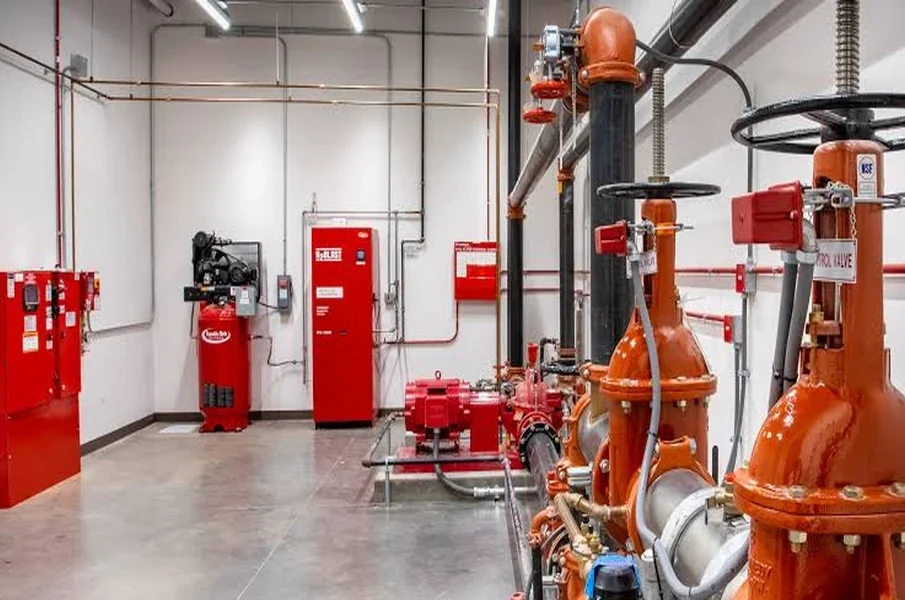
Fire hazards may occur out of the blue when most of a building is quiet at night. A failure of the electrical system, smouldering material or a spark can easily become a major threat. Which is why being awake isn’t enough for an overnight fire watch security job. Guards must be observant, have a routine to their patrol and be able to remain calm if something goes wrong.
Deploying a qualified fire watch security guard for overnight monitoring ensures that silent hazards-such as overheating machinery or smoldering wiring-are detected and managed long before they escalate. By maintaining continuous vigilance and strictly adhering to structured patrol schedules, a dedicated guard provides essential life-safety oversight during the hours when a building is most vulnerable.
Staying alert during downtime:Overnight shifts pose different challenges. When people are not around and there’s not as much activity, it’s easy to overlook little warning signs. Good fire watchers are vigilant during their hours on duty, looking for smoke, strange odours, extreme temperatures and other indications of a possible problem.Being alert also involves a regular schedule, taking suitable breaks when allowed and steering clear of distractions. In large/complex buildings or isolated buildings, a developing hazard may go unnoticed if the appropriate person is not looking.Following Consistent Patrol Schedules.Regular patrols are key to effective overnight fire watch coverage. The guards will be guided along specific paths and check rooms where fire hazards are more likely to occur such as electrical rooms, storage areas, equipment rooms and areas where combustible material is stored.More than taking a walk through the premises should be expected in each round. Guards should be alert for anything unusual and report it. Regular patrols ensure that potentially hazardous areas are not missed at quieter times.Identifying hazards before they get out of handJust a small warning sign may indicate a much larger issue. The burning odours, the flickering electrical items, the hot work and flammable materials, all of which are not being supervised, are worthy of attention.Savvy guards are able to identify these dangers and report them immediately. They should also be aware of conditions requiring immediate escalation and those that can be dealt with using normal safety procedures. When reporting early, minor issues can be avoided from becoming major incidents.Emergency Response: Prompt Action of ResponseThe successful overnight guard has to be ready for emergencies that require immediate action. In the event of smoke or fire, the priority is to raise the alarm, to call the emergency services and to follow the emergency response plan for the property.Guards should be aware of emergency exits, alarm systems and assembly points. They can also assist with directing occupants to safety if needed. When an emergency strikes, it’s important to stay as cool as a cucumber and to communicate clearly.Keeping up with Patrol RecordsGood documentation holds nighttime operations to account. Guards should document patrol time, areas patrolled, and anything unusual that they observed and/or any actions taken during their patrol.Clear reports are also valuable to incoming employees and property managers to find out what has happened while they were away. These records can show patterns that may not be apparent if a recurring hazard occurs.Communicating when changing shiftsA smooth handover is a crucial aspect when one guard replaces another. Information on hazards not resolved, maintenance problems and unusual incidents should be shared with outgoing personnel. This will make sure that vital information is not lost between shifts.


