

Where Does Bedroom Airflow Lose Its Strength?
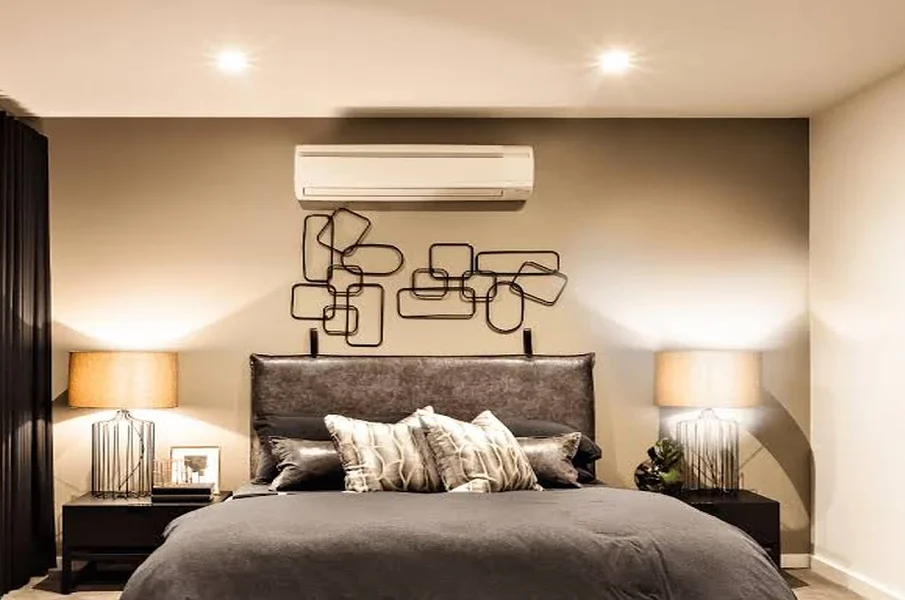
Two rooms connected to the same air conditioner can feel surprisingly different. One bedroom may receive a strong stream of cool air while another remains warm, even though both use the same thermostat. The difference often develops somewhere between the equipment and the supply vent, where airflow can be restricted, diverted, or lost.
Conditioned air travels through a connected network rather than moving directly from the equipment into every room. Along that route, duct joints, insulation, branch connections, vent openings, and return pathways influence how much air reaches each space. In North Texas homes with attic ductwork, summer attic heat makes these weaknesses particularly noticeable.
For Duct and Vent Installation or Removal, Duct and Vent Cleaning, and Thermostat Installation, Travis HVAC provides services related to managing airflow and indoor comfort. Property owners experiencing uneven room temperatures can request a duct and airflow inspection to identify restrictions, leakage, and control problems.
The Complete Journey Through a Home HVAC System
| Stage of the air path | What happens | What goes wrong |
|---|---|---|
| Furnace or air conditioner | Air receives heating or cooling | Dirty coils, weak blower performance |
| Supply plenum | Conditioned air enters distribution | Loose connections, pressure losses |
| Main trunk ducts | Air travels toward different areas | Leaky joints, inadequate insulation |
| Branch ducts | Air moves toward rooms | Crushed flexible ducts, sharp bends |
| Supply vents | Air enters living spaces | Blocked registers, poor distribution |
| Occupied rooms | Air mixes and affects comfort | Heat gain, thermostat placement |
| Return ducts | Room air travels back | Undersized or blocked returns |
| Air filter | Particles are captured | Clogging, incorrect filter fit |
The Equipment Starts the Air Movement
1. The blower establishes circulation. A furnace blower or indoor air handler moves air through the duct system. During cooling, air passes across the evaporator coil, where heat is removed and moisture may condense.
2. Equipment condition affects delivery. Dirty coils, blower problems, and restricted filters can reduce airflow. In hot North Texas summers, weak circulation may become noticeable when the system runs for extended periods.
3. Diagnosis begins with measurement. A technician can examine blower operation, temperature differences, and static pressure. This distinguishes equipment problems from restrictions farther along the duct system.
Increasing thermostat demand cannot correct a mechanical airflow limitation.
The Supply Plenum Directs Conditioned Air Into Ducts
1. Air enters the plenum. This chamber connects the equipment outlet to the distribution network. Its purpose is to direct conditioned air toward the connected ducts.
2. Leaky connections waste delivery capacity. Poorly sealed transitions allow conditioned air to escape into surrounding cavities. A leak near the equipment can affect several rooms simultaneously.
3. Sealing restores the intended pathway. Connections should be evaluated for gaps, damaged insulation, and loose fittings. The EPA guidance on indoor environmental concerns during remodeling recommends tightly sealing duct seams and joints to reduce leakage and prevent contaminants from entering ductwork.
Main Trunk Lines Carry Air Across the Building
1. Air travels through larger ducts. Main trunk lines carry conditioned air from the plenum toward smaller branches serving different spaces.
2. Leakage and heat transfer change delivery. Unsealed joints release air, while poorly insulated ducts passing through hot attics may gain heat before reaching their destinations.
3. Inspection identifies the actual losses. Technicians can evaluate duct condition, insulation, connections, and system pressure. Appropriate mastic or listed sealing materials can correct accessible leaks.
Cleaning a trunk line will not repair a disconnected joint or replace missing insulation.
Branch Ducts Determine Which Rooms Receive Enough Air
1. Air separates into individual pathways. Branch ducts connect the main distribution system to bedrooms, kitchens, living rooms, and other occupied spaces.
2. Flexible ducts are vulnerable to restrictions. Sharp bends, compressed sections, excessive sagging, and crushed insulation can obstruct airflow. Flexible duct problems are particularly relevant in attics where ducts run over framing.
3. Corrections require proper positioning. A technician may straighten, support, reconnect, or replace affected sections. Duct sizing and balancing must also be considered if certain rooms consistently receive inadequate airflow.
Simply increasing fan speed may create additional noise or pressure without solving the restriction.
Supply Vents Release Air Into Each Room
1. Registers direct airflow. Supply vents allow conditioned air to leave the duct network and mix with room air.
2. Obstructions alter distribution. Furniture, rugs, closed registers, and accumulated debris can interfere with delivery. Gaps between duct boots and finished surfaces may also allow leakage into wall or ceiling cavities.
3. Airflow should be evaluated at several outlets. Comparing room temperatures and supply airflow helps establish whether the problem is local or affects the wider system.
A weak vent does not automatically mean its duct needs cleaning. Restricted branches, poor balancing, and insufficient system pressure can produce similar symptoms.
The Thermostat Responds to Conditions in One Location
1. The thermostat measures local temperature. Most conventional residential thermostats use the temperature near their installed location to determine when heating or cooling is needed.
2. Placement can distort demand. Direct sunlight, nearby heat sources, drafts, or an unusually cool hallway may cause the thermostat to respond differently from the rooms occupants use.
3. Settings influence operation. Incorrect programming, fan settings, and control configuration can affect comfort. Thermostat relocation or appropriate zoning may improve control, but neither corrects physically damaged ducts.
A thermostat calling for additional cooling cannot ensure that distant rooms receive sufficient air.
Return Ducts Bring Room Air Back to the Equipment
1. Air must have a return pathway. Supply air entering rooms needs a route back to the central system. Return grilles and ducts complete this circulation loop.
2. Restrictions disrupt pressure balance. Undersized returns, obstructed grilles, and closed doors without adequate transfer paths can restrict circulation. Leaky returns located in attics or other unconditioned areas may draw unwanted air into the system.
3. Return capacity must be assessed. A technician can evaluate pressure differences and determine whether additional return pathways, transfer grilles, or duct corrections are appropriate.
Restricted return airflow can affect several rooms even when their supply ducts are correctly installed.
Filters and Cleaning Complete the Airflow Journey
1. Returning air passes through filtration. Filters capture particles before air moves through the equipment again. An excessively clogged filter increases resistance and can reduce airflow.
2. Cleaning should address verified contamination. The EPA guidance on residential air duct cleaning does not recommend routine duct cleaning without a demonstrated need. Substantial visible contamination, vermin infestation, or significant debris obstruction may justify cleaning.
3. Maintenance must address underlying causes. Filter replacement, coil inspection, moisture control, and duct sealing often deserve attention before cleaning. Wet or contaminated insulation may require replacement rather than cleaning.
Conclusion
Uneven indoor temperatures often originate from several interacting conditions rather than one defective component. Air must pass through properly operating equipment, sealed distribution ducts, unrestricted branches, open supply registers, and adequate return pathways before completing its circulation cycle.
In North Texas homes, ducts exposed to hot attic conditions create additional opportunities for heat gain and airflow losses. Evaluating each stage in sequence helps identify whether sealing, duct repairs, improved filtration, thermostat adjustments, or targeted cleaning will provide the most appropriate correction.


