Termite Damage Often Shows Up Too Late: A Kansas City Pest Control Guide to Catching It Early
Most homeowners discover their termite problem during a renovation. A contractor pulls a piece of trim off a basement wall to install new flooring and finds a stud that comes apart in his hands. Someone is replacing a window and notices the framing has the consistency of cardboard. A real estate inspector taps a baseboard and hears the wrong sound. By the time termites are visible, the damage has often been working quietly for months or years. Kansas City pest control professionals see this pattern over and over, and the reason is not carelessness on the part of the homeowner. Termites are designed to stay out of sight. The signs that do show up are subtle enough that most people miss them.
The Termite You’re Most Likely to Have in Kansas City
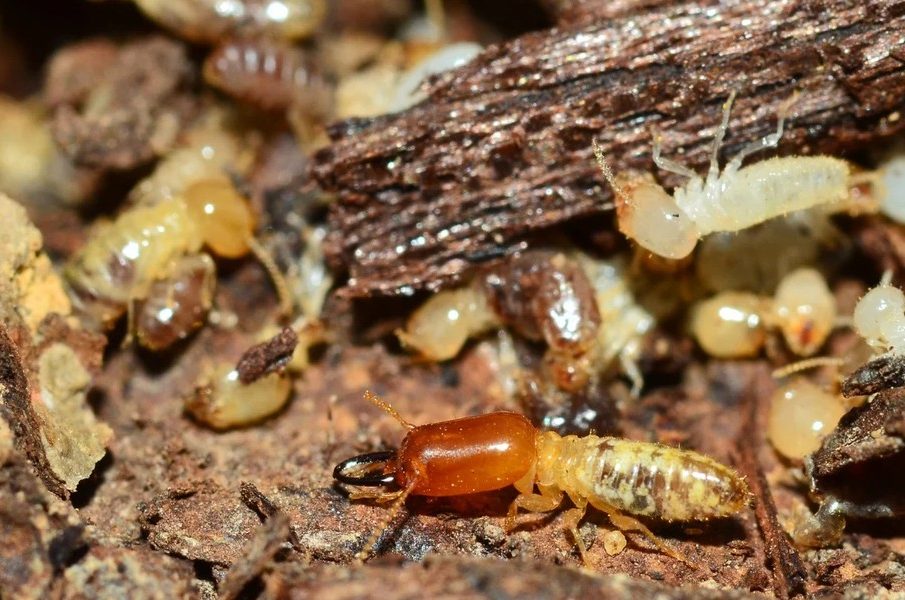
The Eastern subterranean termite is the species responsible for the overwhelming majority of termite damage in Missouri and Kansas. The species lives in underground colonies, often containing hundreds of thousands of individuals, and travels through mud tubes to reach the wood it feeds on. The colony itself rarely surfaces. The workers come and go from the soil through hidden routes, and the wood they consume is eaten from the inside out, which is why an infested board can look untouched from the surface until it collapses.
Drywood termites, which live entirely within the wood they feed on and do not require soil contact, are far less common in this region. They are present in the warmer parts of the United States and do show up occasionally in furniture or wood products shipped from those areas, but the local pest pressure is overwhelmingly from subterranean activity. The University of Missouri Extension and the National Pest Management Association both publish material that confirms this regional pattern.
The Early Signs Most Homeowners Miss
The visible evidence of termite activity is rarely dramatic. A few patterns are worth watching for.
Mud tubes are small tunnels, roughly the width of a pencil, built from soil and saliva. The tubes appear on foundation walls, in basements, in crawl spaces, and occasionally on the inside of exterior walls. They are how subterranean termites travel from the soil to the wood they are feeding on without exposing themselves to open air. A single tube does not always mean an active infestation, but a tube that rebuilds after being broken open almost certainly does.
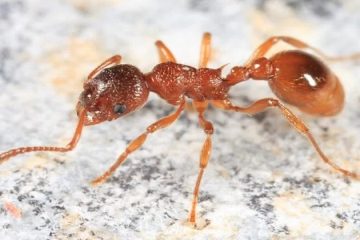
Swarmers are the winged reproductive termites that leave the colony in spring to start new colonies. In Kansas City, swarms typically occur on warm days after a rain, usually in late March, April, or May. The swarmers are often mistaken for flying ants. They are dark, have two pairs of equal-length wings, and tend to shed their wings quickly. A pile of small wings on a windowsill or near a basement light is one of the more reliable warning signs that a colony is established somewhere on or near the property.
Wood that sounds hollow when tapped, or that gives slightly under pressure where it should be solid, is another sign. Termites consume the soft spring wood and leave the harder layers intact, which produces the hollow feel without the visible damage. Trim, baseboards, door frames, window sills, and structural beams in the basement are the most common locations.
Frass is a less reliable indicator with subterranean species. Drywood termites push their droppings out of the wood in small pellets that can pile up beneath an infested board. Subterranean termites do not produce visible frass in the same way, since they recycle their waste into the mud tubes they build.
Why Damage Goes Unnoticed for So Long
The combination of underground colonies and inside-out feeding makes subterranean termites unusually quiet. Damage routinely runs for several years before a homeowner notices anything. The Environmental Protection Agency estimates that termites cause billions of dollars in damage to United States structures every year, and that figure is largely the result of activity that ran too long before treatment. Most homeowner’s insurance policies do not cover termite damage, which means the cost of repair falls directly on the property owner.
How Sentricon Works at a Property Level
The Sentricon Termite Elimination System takes a different approach than traditional liquid termiticides, which rely on creating a chemical barrier in the soil around the home. Sentricon places small in-ground stations around the perimeter of the property at regular intervals, each containing bait that worker termites carry back to the colony. The active ingredient interferes with the molting process the workers depend on. As workers die back, the colony loses the ability to feed its queen and the reproductive caste, which leads to elimination of the colony rather than simply repelling it from a specific area.
ZipZap Termite & Pest Control is a Certified Sentricon Specialist, which is a designation Sentricon limits to companies that complete required training on installation and monitoring. The stations are inspected on a routine schedule, and the property is monitored over time so that any new colonies entering the area are detected before they cause damage. The system is well suited to Kansas City properties because the regional termite pressure is consistent enough that monitoring matters more than a single one-time treatment.
When to Schedule an Inspection
A few situations justify a termite inspection without waiting for visible signs. Homes that have not been inspected in five or more years. Properties with a previous termite history, since the conditions that supported the first infestation often persist. Homes where renovation work has revealed unexpected wood damage. Real estate transactions, which in many cases require a termite letter as part of the closing process. Any spring sighting of swarmers, even a small one, on or near the property.
A professional inspection covers the foundation, basement, crawl space, attic, and exterior wood that contacts or sits close to the soil. The technician looks for mud tubes, evidence of swarmers, hollow-sounding wood, moisture conditions that favor termite activity, and structural features that create access points. The inspection itself is not invasive, and the report identifies both confirmed activity and conditions that could support future activity.
A Quiet Problem With Loud Consequences
Termite damage is one of the few pest problems where waiting almost always costs more than acting. The early signs are easy to miss, the colonies are designed to stay hidden, and the financial picture changes quickly once structural wood is involved. If your home has not been inspected in several years, has a previous history, or has shown any of the signs above, scheduling a Kansas City pest control evaluation is a low-cost way to find out where you actually stand. ZipZap Termite & Pest Control offers professional inspections backed by a board-certified entomologist and the Sentricon system, and the team has been protecting Kansas City homes since 1993. Reach out to schedule an inspection before the next renovation, sale, or repair tells you what you wish you had known a year earlier.