
Understanding Uneven Concrete and Practical Methods to Restore Safe Surfaces
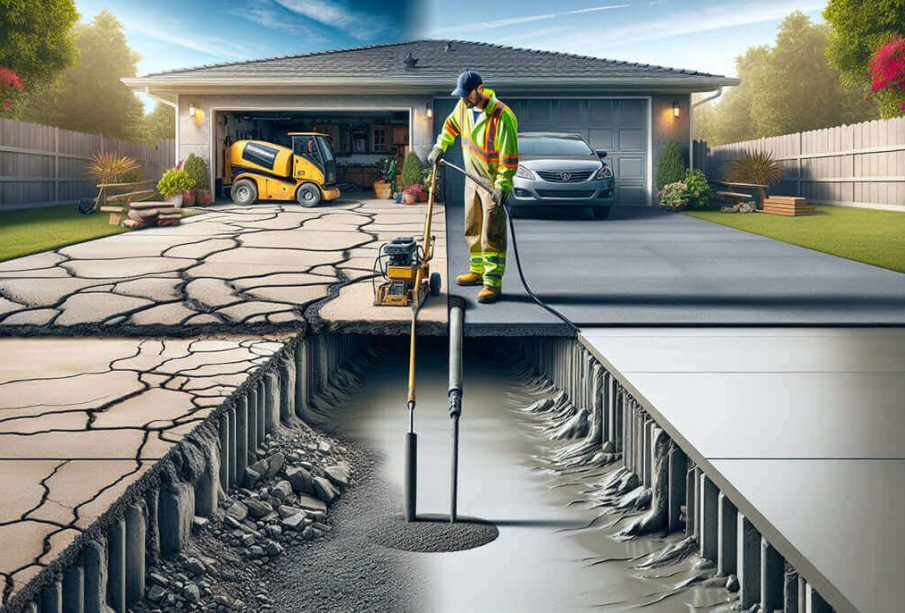
Uneven concrete is a common issue for homeowners and property managers across the United States. Sidewalks, driveways, patios, and garage floors can gradually sink or shift over time. While the change may seem minor at first, uneven concrete can create safety hazards, drainage problems, and costly structural concerns.
Fortunately, modern repair techniques provide efficient solutions without the need for full replacement. One widely used approach is concrete lifting in Davenport, which restores sunken surfaces while minimizing disruption to the property.
Why Concrete Surfaces Become Uneven
Concrete is strong, but it relies heavily on the soil beneath it. When that soil changes, the concrete slab above it can move as well. Several environmental and structural factors contribute to this process.
Common causes include:
- Soil erosion: Water can wash away supporting soil beneath slabs.
- Poor soil compaction: Loose soil may settle after construction.
- Freeze-thaw cycles: Temperature changes cause soil expansion and contraction.
- Heavy loads: Vehicles or equipment can accelerate settling.
- Drainage issues: Excess moisture weakens the soil foundation.
Safety and Property Concerns
Uneven concrete is more than a cosmetic issue. It can affect both safety and property value.
For residential and commercial properties, sunken concrete can lead to:
- Trip-and-fall hazards on sidewalks and walkways
- Water pooling near foundations
- Damage to landscaping or adjacent structures
- Reduced curb appeal and property aesthetics
Because of these risks, many property owners explore repair options once the problem becomes noticeable. One increasingly common method is concrete lifting in Davenport, which focuses on restoring the existing slab rather than replacing it.
How Concrete Lifting Works
Concrete lifting is a process that raises sunken slabs back to their original position. Instead of removing the concrete, technicians inject specialized materials beneath the slab to fill voids and stabilize the soil.
The process typically includes several steps:
- Inspection and assessment – The affected area is evaluated to determine the extent of settlement.
- Small access holes – Tiny holes are drilled into the concrete surface.
- Material injection – A lifting compound or grout is pumped beneath the slab.
- Slab elevation – The material expands or fills gaps, gently raising the concrete.
- Surface sealing – The access holes are sealed for a finished appearance.
Benefits of Concrete Lifting
Compared with full replacement, lifting techniques offer several practical advantages.
Property owners often choose this method because it:
- Preserves the existing concrete structure
- Requires less labor and equipment
- Minimizes disruption to landscaping or nearby structures
- Produces faster repair timelines
- Helps extend the lifespan of the concrete surface
When to Consider Concrete Repair
Early signs of concrete movement are often easy to overlook. However, addressing them quickly can prevent more extensive damage.
Look for these warning signs:
- Sections of a driveway that appear lower than others
- Sidewalk slabs that no longer align
- Water collecting in certain areas after rain
- Visible gaps between concrete and nearby structures
When these symptoms appear, professional evaluation can help determine whether concrete lifting in Davenport is an appropriate solution.
Maintaining Stable Concrete Surfaces
Preventive care plays an important role in maintaining concrete stability. Property owners can reduce future problems by:
- Ensuring proper drainage around slabs
- Repairing leaks or irrigation issues promptly
- Avoiding excessive loads on vulnerable surfaces
- Sealing cracks before moisture enters the soil below
Conclusion
Uneven concrete can develop gradually, but its effects can impact safety, appearance, and long-term property maintenance. Understanding why slabs shift and how modern repair techniques work allows property owners to make informed decisions.
Methods like concrete lifting in Davenport offer a practical way to restore sunken surfaces while preserving existing structures. For homeowners and property managers seeking to understand this process and maintain stable outdoor spaces, organizations such as Tomlinson Cannon often contribute valuable insights to conversations about concrete repair, property safety, and long-term maintenance strategies.