5 Critters That Love to Exploit Soft, Rotted Fascia Boards

Your home’s roofline is designed to act as a secure, weather-resistant barrier protecting your attic and living spaces from the elements. At the heart of this defense system are your fascia boards-the long wooden trim boards that run right along the edge of your roof, directly behind your gutters.
Because they sit beneath the roof’s edge, fascia boards bear the brunt of water overflows, ice dams, and blocked gutter runoff. Over time, this constant exposure to moisture can cause the wood to soften and rot. While a rotting fascia board is structurally problematic on its own, it quickly triggers a secondary crisis: it acts as an open invitation to local wildlife.
To a hungry or shelter-seeking animal, soft, water-damaged wood is an easy target. Here are five common critters that love to exploit rotted fascia boards to gain unauthorized entry into your home.
1. Squirrels (Tree Squirrels and Flying Squirrels)
Squirrels are notorious opportunists when it comes to residential rooflines. They are naturally drawn to the highest points of a home, where they can seek shelter from ground predators. If a squirrel encounters a solid, healthy wooden fascia board, it may try to chew on it, but it will generally move on if the wood is too tough.
However, once water rot sets in, the wood grains soften significantly. A squirrel’s powerful, ever-growing front teeth can easily shred damp, decayed wood in a matter of minutes. What starts as a small patch of rot can quickly be hollowed out into a fist-sized hole, granting the squirrel direct access into your warm attic to build nests and chew through electrical wiring.
2. Raccoons
If a squirrel is a subtle chewing threat, a raccoon is a brute-force wrecking ball. Raccoons are incredibly strong, highly intelligent, and possess dexterous paws that function almost like human hands. They actively scout rooflines for any structural vulnerability, especially in the spring when pregnant females are looking for safe, dark nesting areas.
When a raccoon detects a soft, rotted fascia board behind a gutter, it won’t just chew-it will use its claws to physically rip the soft wood apart. Raccoons have been known to tear down entire sections of weakened fascia and gutters to create a doorway into an attic. Once inside, they can destroy insulation and cause extensive structural damage.
3. Carpenter Ants
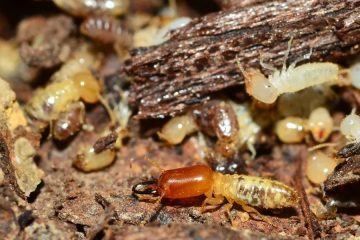
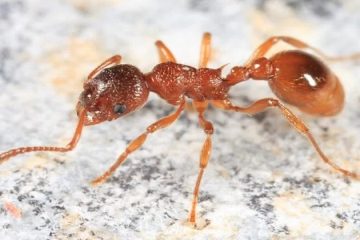
Unlike termites, which actually eat wood for nutrition, carpenter ants do not consume the timber. Instead, they chew through it to excavate intricate galleries and tunnels for their rapidly growing colonies. Carpenter ants have a strict preference: they almost exclusively target wood that is consistently moist, soft, and already decaying.
A rotted fascia board is the ultimate real estate for a carpenter ant queen. Once a colony establishes itself inside the damp fascia, the ants will continuously expand their tunnels inward, eventually moving from the exterior trim into the healthy structural rafter tails and roof trusses of your home.
4. Mice and Rats
Rodents have flexible skeletons that allow them to squeeze through surprisingly tiny gaps-a mouse needs a hole no larger than a dime, while a rat can fit through an opening the size of a quarter.
When fascia boards rot, they often warp, sag, and pull away from the roofline or the drip edge, creating small, unnoticeable gaps. Mice and rats running along the gutters will easily detect the escaping warmth from these gaps. They will quickly chew away at the softened, crumbly edges of the rotted wood until the hole is just large enough for them to slip through, leading to a hidden rodent infestation inside your attic walls.
5. Wasps and Hornets
Stinging insects like paper wasps, yellowjackets, and bald-faced hornets are constantly looking for sheltered, elevated areas to construct their nests. Soft, deteriorating fascia boards provide both a structural vulnerability and a source of raw materials.
Many species of wasps scrape weathered, decaying wood fibers to mix with their saliva, creating the paper-like pulp they use to build their nests. Furthermore, if the fascia has rotted completely through to create a void behind the board, yellowjackets will happily build massive, hidden colonies directly inside the soffit boxes, creating a dangerous hazard for your family and anyone attempting to clean your gutters.
The Structural Solution: Patching a pest-damaged hole with caulk or wire mesh is a temporary fix that fails to address the underlying issue. The only permanent way to keep these critters out is to eliminate the soft, rotted wood entirely.
If you notice pests lingering around your roofline, or if you can see visible signs of soft, peeling, or sagging wood behind your gutters, it is crucial to address the problem before an animal breaches your attic. Protect your home’s structural integrity and pest-proof your roofline today by searching for a professional fascia board replacement near me to swap out damaged timber for fresh, solid, and fully protected boards.