Hardie Board Siding Installation: What Homeowners Should Know Before Starting
Replacing your home’s siding is a major exterior improvement. Beyond changing how a property looks, new siding can help protect the structure from moisture, changing temperatures, wind, and everyday exposure to the elements. For homeowners considering fiber cement, Hardie Board is often evaluated because of its durability, appearance, and relatively low maintenance requirements.
However, choosing the material is only one part of the project. Proper planning and installation are just as important. Before work begins, homeowners should understand what Hardie Board is, how the installation process works, what can affect the project timeline, and why choosing an experienced contractor matters.
For homeowners researching hardie board siding installation in Bergen County NJ, understanding these details before requesting estimates can make it easier to compare contractors and make informed decisions.
What Is Hardie Board Siding?
Hardie Board is a type of fiber cement siding manufactured by James Hardie. Fiber cement products are made to provide a durable exterior surface while offering styles that can resemble traditional wood siding and other popular finishes.
One of the reasons homeowners consider fiber cement is its ability to handle different weather conditions. James Hardie states that its siding products are designed for regional climate conditions and resist damage from moisture while also being noncombustible.
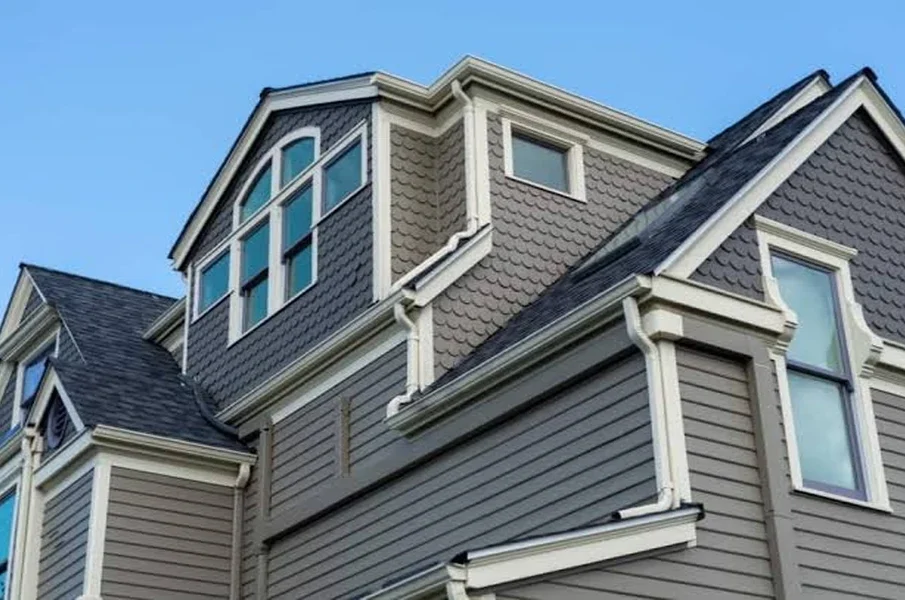
Hardie siding is available in several profiles and styles, allowing homeowners to create traditional, contemporary, or transitional exterior designs. Color choices, trim details, siding orientation, and architectural features can all influence the finished appearance.
Inspect the Existing Exterior Before Installation
A siding project should not begin with simply covering whatever is already on the house.
Before new material is installed, the exterior should be evaluated for problems such as rotted sheathing, water damage, deteriorated trim, damaged flashing, or other conditions that could affect the new siding system.
If hidden damage is discovered after old siding is removed, repairs may be necessary before installation can continue. Addressing these problems first helps create a sound surface for the new exterior.
Homeowners looking into hardie board siding installation in Essex County NJ should ask whether the contractor’s estimate explains how unexpected damage or additional repairs will be handled.
This can prevent confusion if conditions are discovered once the existing siding has been removed.
Moisture Management Is an Important Part of the Project
Siding is only one layer of a home’s exterior protection system.
Water-resistant barriers, flashing, caulking, clearances, and proper installation around windows, doors, roof intersections, and other openings all play a role in managing moisture.
Improper water management can create problems even when high-quality siding is used. That is why the installation should follow current manufacturer requirements and applicable building standards rather than relying on shortcuts or general installation habits.
James Hardie provides product-specific installation guidance covering details such as clearances, fastening, flashing, and other installation requirements.
Homeowners do not need to become siding experts, but it is reasonable to ask a contractor how the home will be prepared and how moisture-sensitive areas will be addressed.
Proper Fastening Matters
Fiber cement siding is not installed exactly like every other siding material.
The type of fastener, its placement, spacing, and installation method can affect how well the siding performs. James Hardie specifies approved fastening requirements and notes that installation methods can vary depending on the application and local conditions.
Using the wrong fastening method or placing fasteners incorrectly can lead to avoidable issues.
An experienced siding professional should understand the manufacturer’s current instructions rather than treating fiber cement as if it were ordinary wood or vinyl siding.
Consider the Entire Exterior Design
Siding selection involves more than picking a color.
Homeowners should think about how the siding will work with:
- Roofing colors
- Window frames
- Exterior doors
- Gutters and downspouts
- Stone or brick features
- Fascia and soffits
- Exterior trim
- Garage doors
- Architectural details
Seeing the complete exterior as one design can produce a more cohesive result.
For some homes, lap siding may fit the architecture best. Others may benefit from a combination of horizontal siding, vertical panels, or accent areas.
A contractor can help homeowners evaluate practical options, but the final selection should reflect both the home’s architectural style and the homeowner’s preferences.
Understand What Can Affect the Project Timeline
There is no universal installation timeline for every property.
The size and shape of the house, existing siding conditions, weather, preparation requirements, trim work, repair needs, and project complexity can all affect how long installation takes.
James Hardie indicates that siding installation on an average-sized home can typically take approximately seven to fourteen days, although necessary repairs and individual project conditions can change the schedule.
Homeowners considering hardie board siding installation in Morris County NJ should ask for a project-specific schedule rather than assuming their home will match a general industry estimate.
It is also helpful to understand what happens if weather delays exterior work.
Ask What Is Included in the Estimate
Comparing contractors based only on the final price can be misleading.
One proposal may include removal of old siding, disposal, trim, preparation, flashing work, and cleanup, while another estimate may exclude some of those items.
A useful proposal should make the scope of work easy to understand.
Before approving the project, ask whether the estimate addresses:
- Removal and disposal of existing siding
- Exterior preparation
- Repairs to damaged areas
- Water-resistant barriers
- Flashing
- New siding materials
- Trim materials
- Fasteners
- Caulking and finishing
- Cleanup
- Warranty information
If something is unclear, ask before signing the agreement.
A detailed estimate makes it easier to compare companies based on the actual work being proposed rather than price alone.
Choose a Contractor With Fiber Cement Experience
Hardie siding is a specialized exterior product, and installation quality matters.
James Hardie recommends working with professionals who understand fiber cement siding and proper installation practices.
When evaluating a contractor, ask about previous fiber cement projects. Homeowners can also request references, photos of completed work, information about insurance, warranty details, and a written explanation of the project scope.
Price is important, but it should not be the only factor.
An unusually low estimate may be attractive initially, but skipped preparation, improper installation, or incomplete flashing details can create additional expenses later.
For property owners considering hardie board siding installation in Passaic County NJ, selecting a contractor familiar with local homes and exterior construction conditions can be an important part of planning the project.
Plan for Long-Term Maintenance
Fiber cement is commonly chosen because it does not require the same maintenance routine as traditional wood siding, but that does not mean the exterior should be ignored after installation.
Homeowners should periodically inspect siding, trim, caulked joints, gutters, flashing areas, and other exterior components.
Keeping gutters working properly and directing water away from the structure can also help protect the exterior as a whole.
If a problem is noticed, addressing it early is usually better than allowing moisture or physical damage to spread.
Prepare Your Home Before Work Begins
A few simple preparations can make installation easier.
Homeowners may want to move outdoor furniture, grills, planters, decorations, and other objects away from exterior walls. Vehicles may also need to be relocated while crews are working.
Inside the home, removing fragile objects from walls near work areas can be helpful because exterior construction may create vibration.
Homeowners should also discuss access, material storage, cleanup, working hours, and any areas of the property that need special protection before the project begins.
Start With a Thorough Siding Assessment
Hardie Board can provide a durable and attractive exterior, but the quality of the finished project depends on more than the siding itself. Preparation, moisture management, fastening, trim work, installation details, and workmanship all contribute to long-term performance.
Before starting, homeowners should have the existing exterior evaluated, compare detailed proposals, discuss potential repair needs, and make sure the chosen contractor has experience working with fiber cement products.
KRR General Contractor can help homeowners evaluate their existing siding, discuss exterior improvement options, and determine an appropriate approach based on the condition and design of the property. A professional assessment provides a practical starting point for homeowners who are considering a new siding project and want to understand what the work may involve.