

Is the Georgia Climate Wearing Out Your Roof Early?
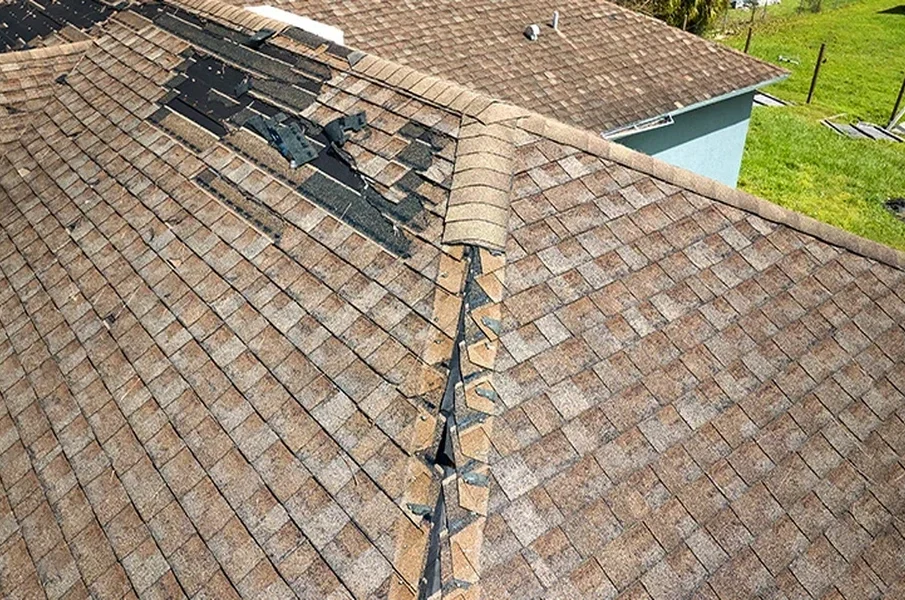
Asphalt shingle roofs are usually sold with 25 or 30 year ratings, yet plenty of homes across the Southeast need major work well before that. The rating assumes average conditions. Long summers, heavy humidity and frequent spring storms are not average, and they add up over time. Roof aging is rarely one dramatic event. It is several slow forces working on the same surface at once.
Understanding those forces starts with how a shingle protects a house. Each one depends on oils in the asphalt to stay flexible and on ceramic-coated granules to shield that asphalt from sunlight. Once the oils dry out and the granules wash away, the shingle turns brittle, cracks under stress and starts letting water reach the deck. Almost every cause below attacks one of those two defenses, or the structure underneath them.
Homeowners in Northwest Georgia who want a professional read on their roof’s condition can turn to Camco Roofing Services, a Rome-based contractor serving Floyd, Bartow, Polk, Gordon and Chattooga counties along with the greater Atlanta area. Their team handles everything from leak detection and storm repair to full architectural shingle replacements. For roofs that are aging but still structurally sound, they offer a USDA-certified, bio-based rejuvenation treatment warranted to add about six years of life, typically at 15% to 30% of what a replacement would cost. Crews are available around the clock for emergency tarping, so booking a free inspection before the next storm season is a sensible first step.
Sunlight and Surface Heat
Ultraviolet exposure is the steadiest source of wear. On a clear July afternoon, a dark shingle surface can get far hotter than the air around it, often past 150°F. That heat speeds up the evaporation of the oils that keep asphalt pliable. South and west facing slopes take the most punishment, which is why one side of a roof often looks years older than the other.
Thermal cycling makes it worse. A roof that bakes at midday and then gets hit by a cool afternoon thunderstorm expands and contracts sharply, loosening granules and stressing seal strips. Reflective “cool roof” shingles, with specially coated granules that bounce back more sunlight, have become a popular choice in hot regions for exactly this reason.
Heat Trapped in the Attic
Shingles also cook from below. A poorly ventilated attic can climb well above outdoor temperatures in summer, heating the roof deck and aging shingles from the underside. Warning signs include curling edges, blistering and a second floor that stays uncomfortably warm.
Good ventilation needs balance. Soffit vents pull cooler air in low, while ridge or roof vents let hot air escape high. Blocked soffits, often covered by insulation during an upgrade, break that flow. Many shingle manufacturers tie warranty coverage to proper ventilation, so the issue affects more than comfort.
Moisture That Never Fully Dries
Georgia’s humidity creates a different kind of problem. The black streaks common on Southern roofs are usually a blue-green algae called Gloeocapsa magma, which feeds on the limestone filler found in many shingles. It spreads fastest on shaded, north facing slopes that stay damp after rain.
Algae mainly affects appearance, but moss and lichen hold moisture against the surface and can lift shingle edges. Algae-resistant shingles contain copper-coated granules that slow this growth. For existing roofs, a gentle soft wash works better than pressure washing, which strips granules along with the stains.
Wind, Hail and Falling Limbs
Spring and early summer bring severe thunderstorms to the region, and the Southeast has seen more tornado activity in recent decades than in the past. High winds can break the adhesive seal between shingle courses without tearing anything off. The roof looks fine from the driveway, but the unsealed tabs lift in the next storm and eventually let water through.
Hail leaves bruises that crack the mat underneath while barely marking the surface. Tall pines and hardwoods add another risk, since a single heavy limb can crack decking. After any major storm, a close inspection matters, and photos taken soon afterward make insurance claims far easier to support.
Water With Nowhere to Go
Drainage problems start at the edges. Pine needles and oak leaves clog gutters quickly, and when water backs up, it can seep under the drip edge and rot fascia boards and deck edges. Debris also collects in roof valleys, where two slopes meet and funnel large volumes of water. A clogged valley holds moisture against shingles for days.
Downspouts deserve attention too. When they empty right beside the foundation, the problem simply moves from the roof to the basement or crawlspace.
Built-In Weak Points
Every opening in a roof is a potential leak. Flashing around chimneys, walls and skylights relies on proper layering and sealant that breaks down over time. Rubber pipe boots around plumbing vents often crack from sun exposure long before the shingles around them wear out, making them one of the most common leak sources on otherwise healthy roofs.
Installation shortcuts show up here as well. Nails driven too high on the shingle, missing starter strips or reused flashing can shorten a roof’s life no matter how good the materials are.
Flat and Low-Slope Roofs
Commercial buildings with TPO, EPDM or modified bitumen membranes face their own list of threats. Ponding water that sits more than a couple of days after rain adds weight and accelerates membrane breakdown. Seams are the usual failure point, especially on older installations. Foot traffic from HVAC technicians servicing rooftop units causes punctures that often go unnoticed until a ceiling stain appears inside.
Putting the Pieces Together
Most aging roofs are dealing with several of these causes at once, which is why the same symptom can have different origins. Granules in the gutters might point to sun damage, hail or simple age. A ceiling stain might come from a pipe boot, clogged valley or wind-lifted shingles.
A practical routine covers most of it. Check the roof from the ground each spring and fall, look again after any significant storm, clean gutters at least twice a year and have a professional inspection every few years or whenever something looks off. Catching wear while the shingles still have some flexibility left keeps repair, rejuvenation and replacement on your schedule rather than the weather’s.


